Faceblock: A Modern Sans Serif Font for Professional Branding
As a small business owner, I've learned that every detail matters when it comes to building a strong brand identity. From your logo to your website, the right font can make all the difference in how your audience perceives your business. That's why I'm excited about Faceblock—a modern sans serif font that brings a clean, smart look to any design.
Elegant Simplicity for Your Brand
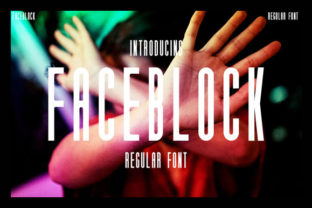
Faceblock is a sleek, modern sans serif font that feels both professional and approachable. Its clean lines and balanced proportions give it a versatile personality that works well across different industries. Whether you're designing a logo, creating packaging, or updating your social media content, Faceblock adds a touch of sophistication without being too formal.
The font has a friendly yet polished mood, making it perfect for businesses that want to appear trustworthy and contemporary. It’s especially great for brands targeting younger audiences or those looking to convey innovation and clarity.
Real-World Applications for Small Businesses
Using Faceblock in your branding materials can help create a consistent visual identity. Here are some practical examples of where this font shines:
- Logos: A simple, bold use of Faceblock can make your logo stand out while maintaining professionalism. Try it with a minimalist layout for a modern feel.
- Business Cards: The font’s readability makes it ideal for small text on cards. Pair it with a complementary font for headings to add visual interest.
- Product Labels: For handmade candles, skincare products, or baked goods, Faceblock ensures your labels are easy to read and visually appealing.
- Packaging Design: Use Faceblock as a primary font for product names and descriptions. Its modern look aligns well with eco-friendly or boutique-style packaging.
- Social Media Graphics: Whether it's an Instagram post or a Pinterest pin, Faceblock helps your text stand out against vibrant backgrounds without overwhelming the viewer.
- Website Banners: This font looks great in headlines and call-to-action buttons, giving your site a cohesive and polished appearance.
- Menus and Flyers: Faceblock’s legibility on printed materials makes it perfect for café menus, event flyers, or promotional brochures.
Creating a Consistent Brand Image
A consistent brand image is essential for building trust and recognition. Using the same font across different platforms—like your website, packaging, and social media—helps reinforce your brand identity. Faceblock provides that consistency with its uniform style, making it easier to maintain a professional look across all your customer-facing materials.
For instance, if you run a coaching business, using Faceblock in your email headers, website banners, and marketing materials gives your brand a unified, modern feel. Similarly, a boutique owner could use it for signage, tags, and online listings to ensure everything matches in style and tone.
When to Use Faceblock in Your Designs
Faceblock is versatile enough to be used in multiple ways within your design projects. Here’s how to best utilize it:
- Headlines and Logos: Use Faceblock as a display font for large text elements like headlines or logos. Its bold and clear structure makes it ideal for grabbing attention.
- Body Text: While it may not be the best choice for long paragraphs, Faceblock can work well for short captions, taglines, or accent text.
- Accent Font: Combine Faceblock with a serif or script font for a more dynamic look. This pairing works especially well in posters, banners, or magazine layouts.
- Supporting Typeface: In multi-font designs, Faceblock can serve as the supporting typeface for body copy, ensuring readability and alignment with the main headline font.
Readability in Different Formats
One of the most important aspects of choosing a font is ensuring it remains readable in various formats. Faceblock performs well in small sizes, which is crucial for product labels, mobile screens, and social media thumbnails. Its clean design also translates well to print, making it a reliable choice for packaging and printed materials.
Testing Faceblock in different contexts before finalizing your brand’s typography is always a good idea. Try it on sample materials such as a mock-up logo, a business card, or a digital ad to see how it looks in real-world scenarios.
Font Pairing Tips for Small Business Owners
While Faceblock is a strong standalone font, combining it with others can add depth to your designs. Here are a few pairing ideas:
- Modern + Decorative: Pair Faceblock with a decorative script font for a stylish contrast, useful in wedding invitations or boutique branding.
- Clean + Expressive: Use Faceblock alongside a more expressive typeface for headlines and subheadings, creating a balanced and engaging layout.
- Sans Serif + Serif: Combine Faceblock with a classic serif font for a timeless look, suitable for magazines, reports, or formal presentations.
Remember to keep the overall design cohesive and avoid overcomplicating your typography choices. Less is often more, especially for small businesses aiming for a professional yet approachable brand image.
Choosing the Right Font License
Before using Faceblock across your brand, it’s important to check the commercial font licensing terms. Ensure that you have the rights to use it on merchandise, packaging, digital downloads, or client projects. Many fonts require specific licenses for these uses, so always review the terms carefully.
Investing in the right font license ensures that your branding efforts remain legal and protected, allowing you to focus on growing your business with confidence.